Why We Switched from Nikon to the Leica Q3
For years, our Nikon Z6 files went through the same process after every wedding. We'd edit them to emulate Kodak Portra, chasing that warm, filmic color that the camera didn't quite give us straight out of the box. It worked, and a lot of the images you've seen from us over the years came from that process. But it was still a workaround, an extra step between what the camera captured and what we actually wanted the photo to look like.

In January 2026, we made the switch to Leica, and the Q3 camera model.
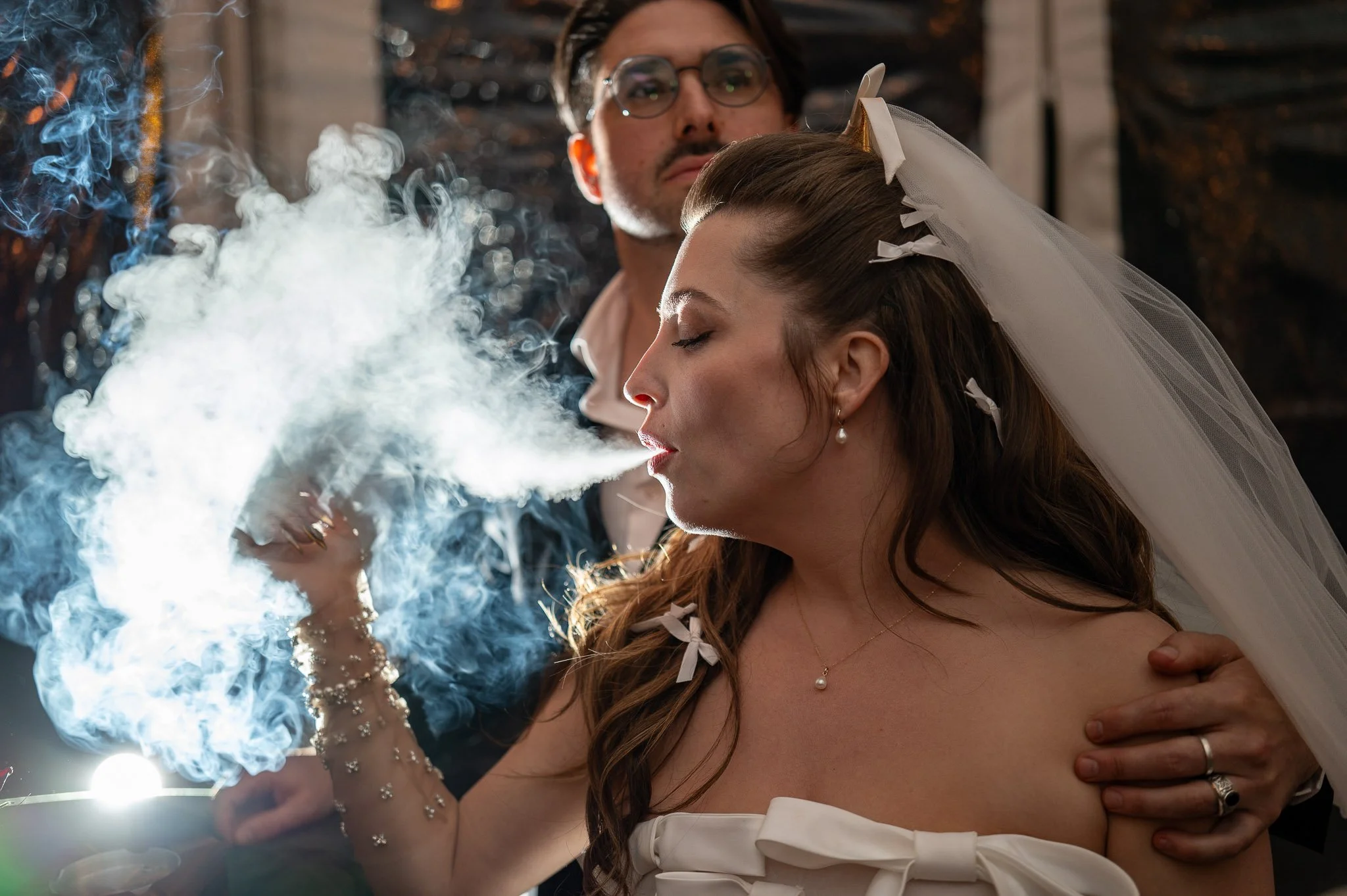
The difference showed up immediately. Colors that used to take a deliberate edit to reach now show up close to right in camera. Skin tones, evening light, the way a room looks under string lights at a reception, all of it renders with a kind of accuracy we used to have to build ourselves in post. The detail holds up too, even in situations where we're moving quickly and not stopping to think about settings.
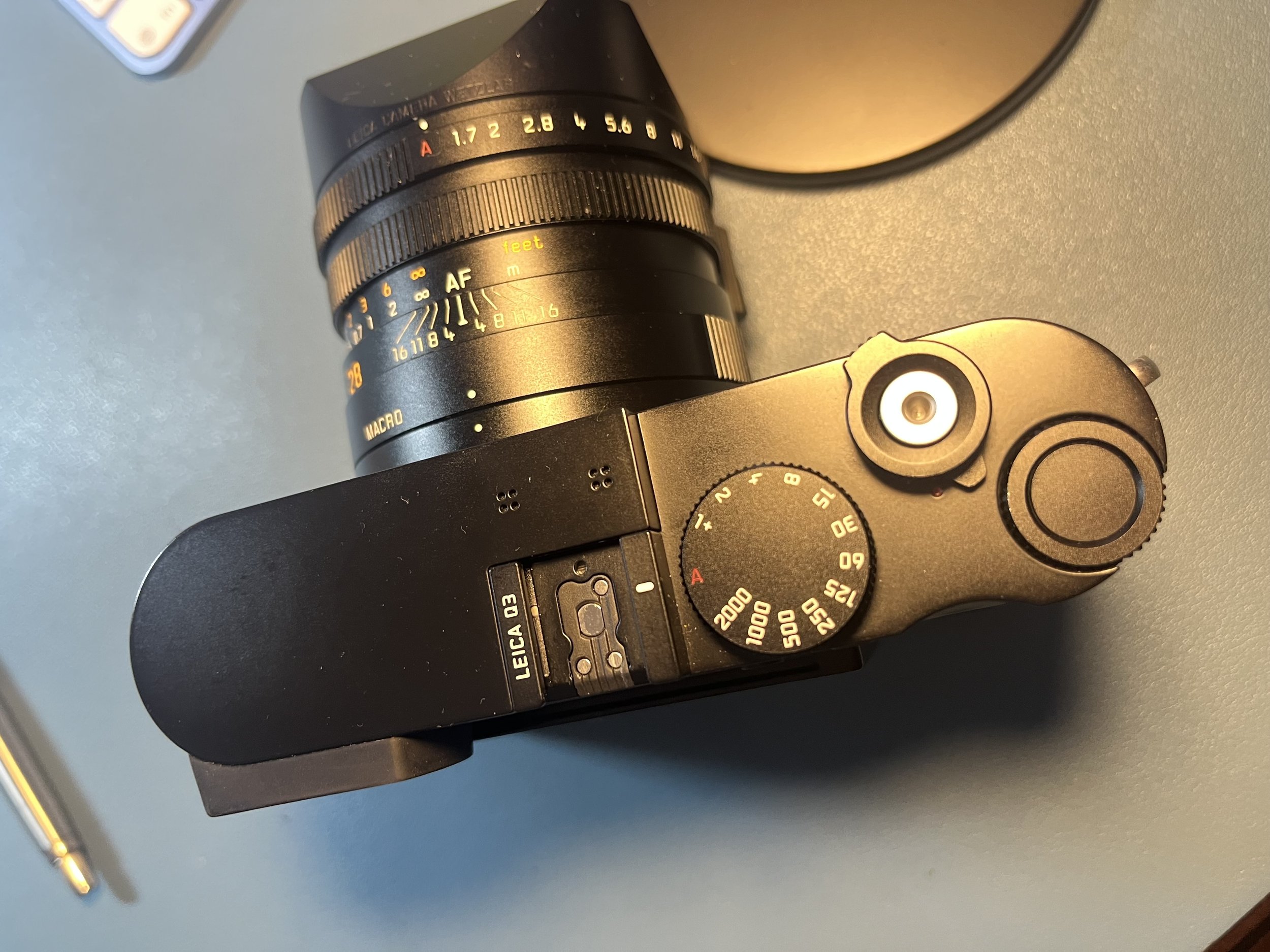
For documentary wedding photography specifically, that matters more than it might sound like it should. Our whole approach is about staying out of the way and letting a day unfold without directing it. That means we're rarely posed to get the perfect shot; we're reacting, moving, catching things as they happen. A camera that gets the color and detail right the first time means less of our attention goes to fixing things later, and more of it stays on the moment in front of us while we're actually shooting it.
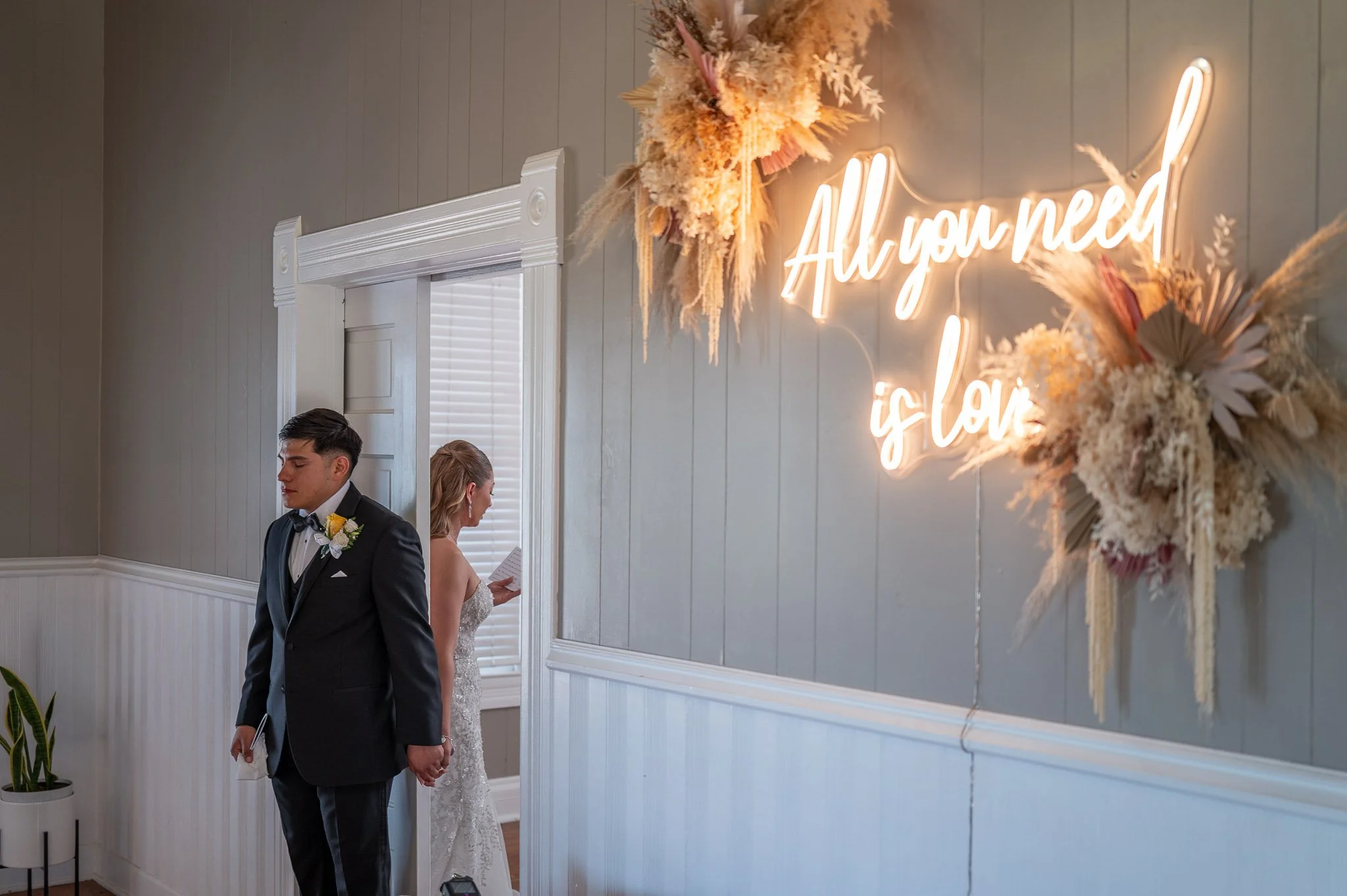
We didn't switch cameras to change our style. The documentary approach, the discretion, the way we work a wedding day, none of that changed. What changed is that the camera finally matches what we were always trying to get to with editing. It's less correction now and more confirmation of what was already there.
If you've looked through our recent galleries and noticed the images feel a little different, that's the Leica. Same eye, same approach, just less standing between the moment and the photo.